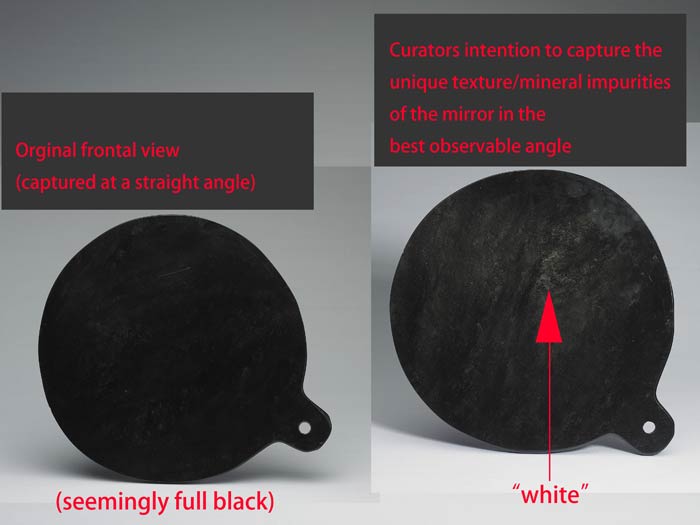
I took a class on obsidian with the wonderful Curanderismo Lisa Martinez (who teaches this class through the RitualCravt online school, should you be interested in learning about the metaphysical properties and history of obsidian yourself). I was expecting a class on scrying techniques, on ritual, instead what I received was a primer on the history of Obsidian in metaphysical practice not only in mesoamerica, but in Taiwan, and in western esotericism.
In western esotericism, the practice I’m most familiar with, many rituals for contact with other planes call for a black mirror. This is not something often traced back to a single culture. In fact, predating the use of obsidian in non-mesoamerican cultures are bronze mirrors (sometimes called copper mirrors). In Greek and Roman mythology, the association between Venus/Aphrodite and copper is influenced in no small part by the fact that mirrors — objects of vanity — were made of the stuff. Even so, examples of bronze mirrors date back even further — some found in Egypt date to as early as 1540 BCE. While these bronze mirrors had their place in magic, they would be usurped by the introduction of obsidian mirrors.
I had no idea the obsidian mirror was a relatively new arrival to old-world esoterica, but its significance in Toltec magical culture no doubt opened the way for it to entirely replace bronze mirrors for the application. To give you an idea of their ubiquity: I never considered that anything other than obsidian might be used for a magic mirror. I wonder if the deity tied to the obsidian mirror — Tezcatlipoca, his name translating roughly to “smoking mirror” — considers this common use a win.
I’m not surprised that obsidian usurped bronze. There’s an allure to obsidian, a dark heat to it that could only arise from the center of the earth where it was originally forged. Obsidian is, of course, volcanic glass. Its color comes from inclusions melted into the magma slurry it originates from before being forced to the surface and cooled too quickly for any of those inclusions to crystallize of their own accord, leaving a single mass of black glass. The sheer power, the uprooting of the blood of the earth itself, required to create mirror-quality obsidian makes it a potent magical tool as is.
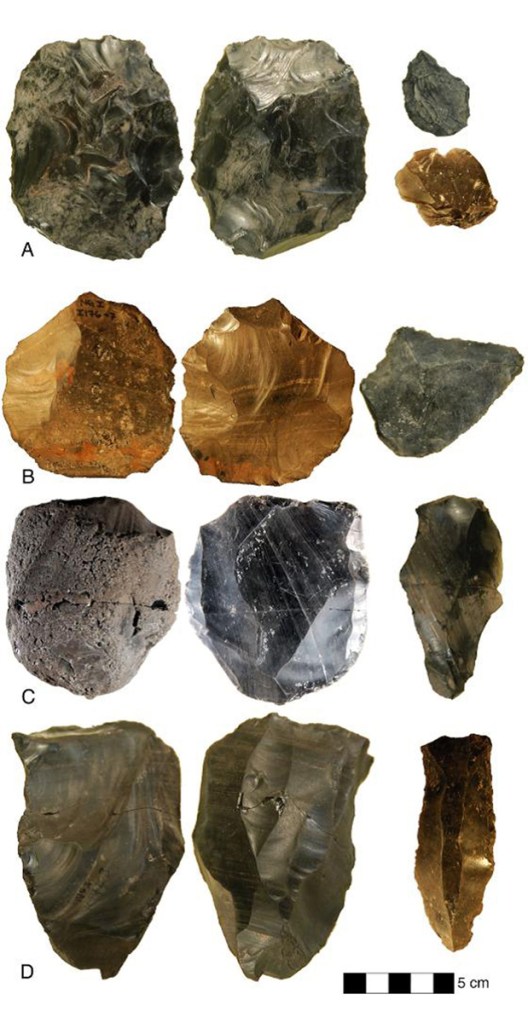
The fact that obsidian is also glass means it can be shaped — obsidian knives, obsidian mirrors, axes, amulets, butchers’ tools. Obsidian is the sharpest material in nature, its cutting edge in the hand of a skilled worker is 500 times sharper than steel. If anything is going to cut to the heart of the matter, it is obsidian.
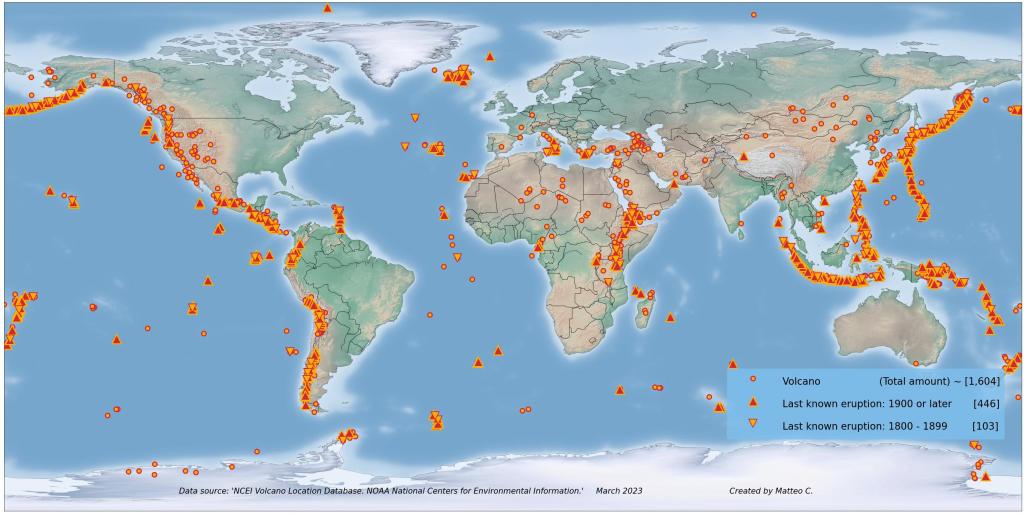
So this is the blood of the earth, crystalized on the surface. My only real surprise is that obsidian was not widely used outside of mesoamerica. There are volcanoes everywhere, after all. Obsidian tools dating back hundreds of thousands to millions of years can be found all over. We’ve got use cases from Africa, China, Europe — and the Americas, of course, where we also have evidence of trade networks involved in getting good quality obsidian from one place to another. But if you can find obsidian everywhere, why did it only become significant in mesoamerican cultures? What is it about the obsidian mirror that stuck there first?
New things to explore, certainly. I’ve got some reading to do.


Leave a Reply