When the camera first caught on in society, a trend appeared: death photography. The folks who prepped the body for this trend were excellent at making you believe the person was alive. Nothing but a strange, dead gleam in their eyes gave them away.
We’re a long way from hefty cameras on tripods now. My phone has a high quality camera, fits in my pocket, and I take it just about everywhere with me. The people around me are snapping photos of their bright little lives. I took a photo of a particularly pretty latte just yesterday, but in the carrying out of my New Year’s Resolution to have fun and try new things, I’ve noticed something unsettling. So many of these “fun” instagramable experiences are simply. Dead.
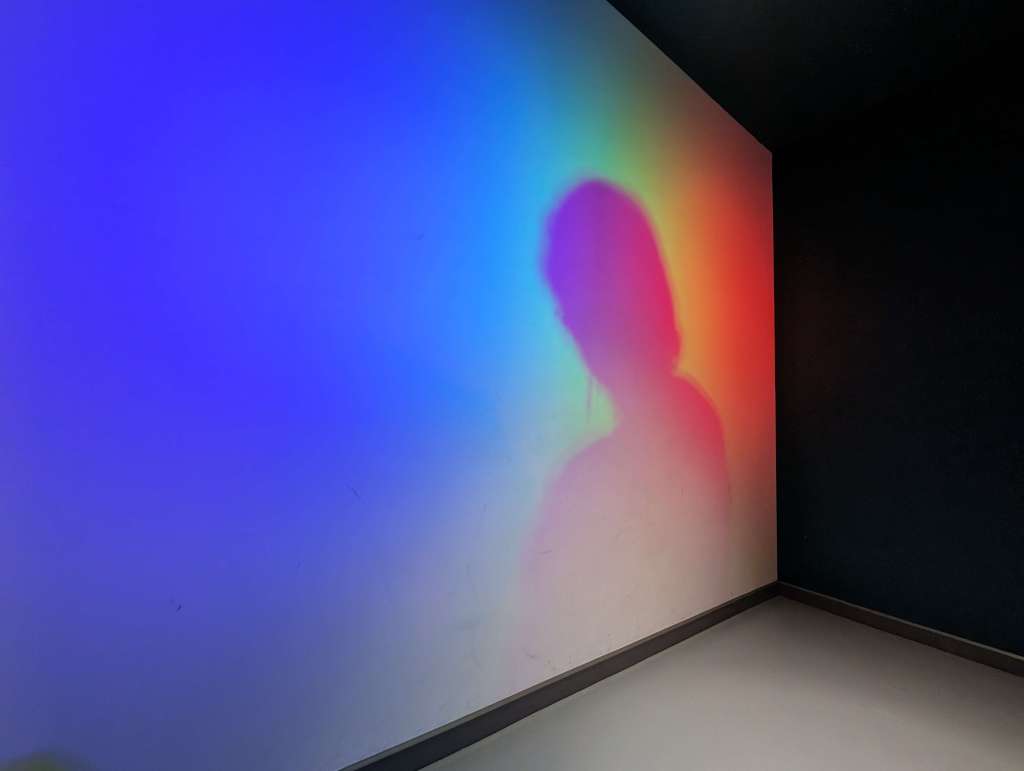
This past weekend, my partner and I did our Valentine’s Day activities. We went into Denver, visited a taxidermy shop (the Terrorium, if you’re interested), got coffee, paid a visit to the Museum of Illusions, and finished it off with a hot pot dinner. Three of the four experiences were winners! I spent quite a while studying the taxidermy in the shop, and the London Fog I treated myself to afterwards was divine. I was so excited for hot pot that I forgot to take pictures of the incredible spread for Instagram.
But the Museum of Illusions, well…
I was hopeful, you see, that the MoI would have some substance to it. Illusions, like death photography, is a topic ripe for delving into in both a historical and a scientific sense — not to mention the potential interactive aspect. I wanted a museum that dug into the science behind stage magic and attention, that investigated the techniques used to create effects in haunted houses or plays (like the ghost box, an illusion that uses a series of mirrors to create the appearance of a ghost in a space), that really dug into the meat of how we’ve taken advantage of the way the human brain works to manipulate it into seeing what’s not there. At $20 for admission, I was hopeful I’d get something interesting out of it.
Unfortunately, the Museum of Illusions is as dead as a six year old with smallpox in 1889. It’s small. Maybe six or seven set pieces crammed into narrow hallways, painted in ultra-modern blocky colors so they can display their illusions and visual games everyone already knows. Think the offset squares and parallel lines that don’t look even, the black grids that strain your eyes into thinking you’re seeing white dots at the crosshairs, the self-swirling checkerboard spirals. They’ve got a tilted room and marks on the floor where the photographer has to stand to get the illusion to work right on camera. The information on the wall is so basic and surface-level that it’s clear that whoever designed these exhibits did nothing but a cursory google search on each illusion. The most fun I had at the MoI was walking through the spinning tunnel — an experience I could have gotten at any shitty funhouse if I waited four months.
This isn’t the first time I’ve experienced this prime-photo-op-flavored disappointment. I felt it in January, when my partner and I trekked out to Cripple Creek and I shelled out $50 for Ice Castles. Nothing to do there, either, just stand in front of one of their three ice sculptures and take a photo or two, then leave and find something more fun to do. We did — we walked down the main street and stole drinks from the casinos.
My ability to forge my own fun aside, it concerns me that twice in two months I’ve encountered one of these dead experiences. Designed for nothing but photography, just an instagrammable 30-45 minutes of your time that costs you a hefty chunk of money. It’s so clear how dead these experiences are that I hesitate to call them art, or museums. There’s barely an experience here, no information worth your time. Unless you’re an influencer, you’re not getting your money’s worth out of these things.
I suppose my biggest issue is the fact that there are ways to do these experiences correctly. In Denver, actually. Try Meow Wolf — their entry fee is hefty (between $35 and $55), but well worth it for the effort and time taken to create an immersive, time-bending experience within the space. Not only does the building itself create the feeling of stepping into a new world, but the layout of the museum itself gives you the impression of stepping into entirely different universes. You can spend four hours in there and still not catch everything — still not unravel the full story.
To add insult to injury for the MoI specifically, many of their cheap photo-op illusions are on full glorious display at Convergence Station. They use mirrors to make rooms feel larger than they are, plenty of RGB cycling lights show off actual thoughtful artwork by the artists who created a given room. The spaces at Meow Wolf are used to their fullest extent with actual fun in mind, the idea being to give the participants a feast for their senses.
Perhaps I’m upset because I know how it could have been done. Because I know what a good museum looks like. Perhaps I’m just sick of shelling out money for lazy cash-grab photo ops. I hope the MoI either goes out of business or gets its shit together soon.


Leave a comment